

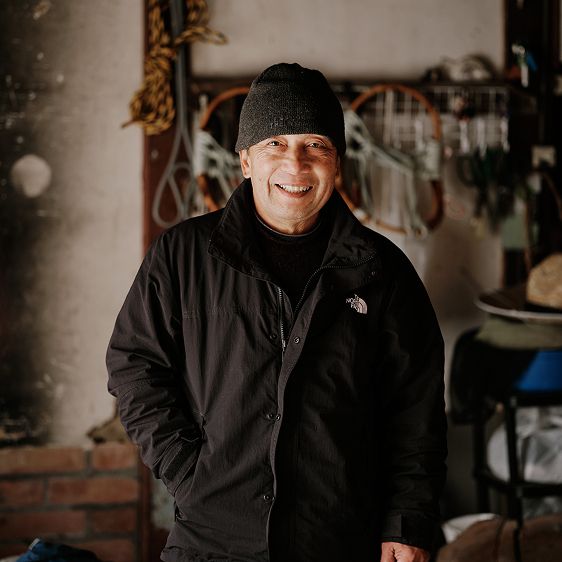
Noboru Nimaida was born and raised in Ōzuchi Village. Today, he continues to protect the place he calls home as its sole resident. In his youth, he spent years living in the city, but in his mid-fifties he rediscovered the richness of his hometown’s nature and way of life. Fearing that the village might disappear, he chose to return.
Since then, he has dedicated himself to restoring terraced rice fields, maintaining the mountain paths that link the settlement, cultivating traditional vegetables, and welcoming volunteers from Japan and abroad. Though often labelled a “marginal village,” he deeply believes in the value of its way of life, culture, landscape, and historic buildings, and finds purpose in passing these on to the next generation.
- LOCAL EXPERIENCE
- SNOW WALK INTO JAPAN’S LIVING HERITAGE
SNOW WALK INTO JAPAN’S LIVING HERITAGE
SNOW WALK INTO JAPAN’S LIVING HERITAGE
Walking Through a Snowbound Village Shaped by Tradition
- Time :
- Half day
- Price :
- Basic fee: ¥80,000 per group|For 3 or more guests: +¥15,000 per person *Transportation not included
- Capacity :
- 2 to 6 people (for guests staying 2 nights or more)
- Season :
- Mid-January to early March
For centuries, the people of Yamanaka Onsen carved out small hamlets deep in the mountains, where snow falls heavily in winter. Making use of the surrounding trees, they crafted the tools needed to endure the long snowy months. Among them is kanjiki, traditional Japanese snowshoes that emerged from this way of life.
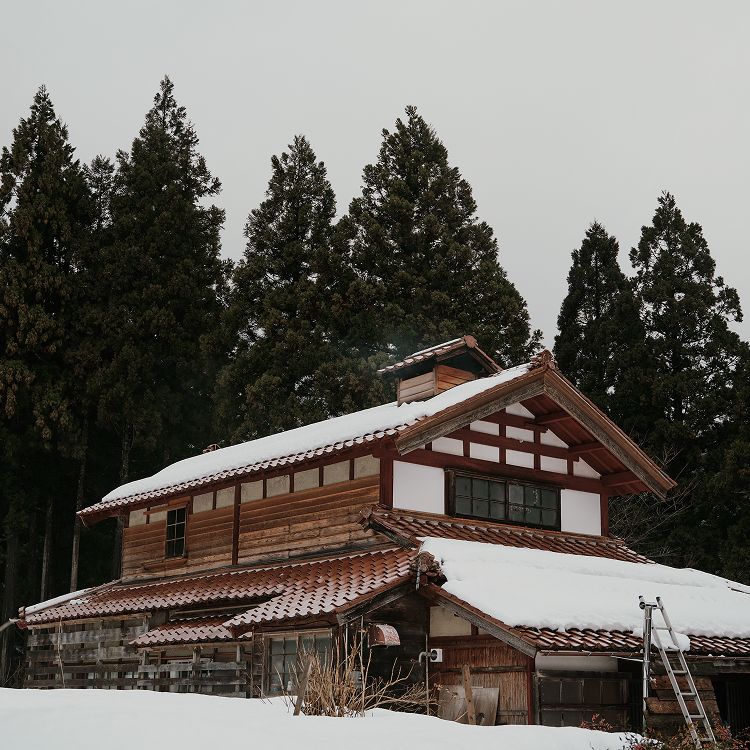
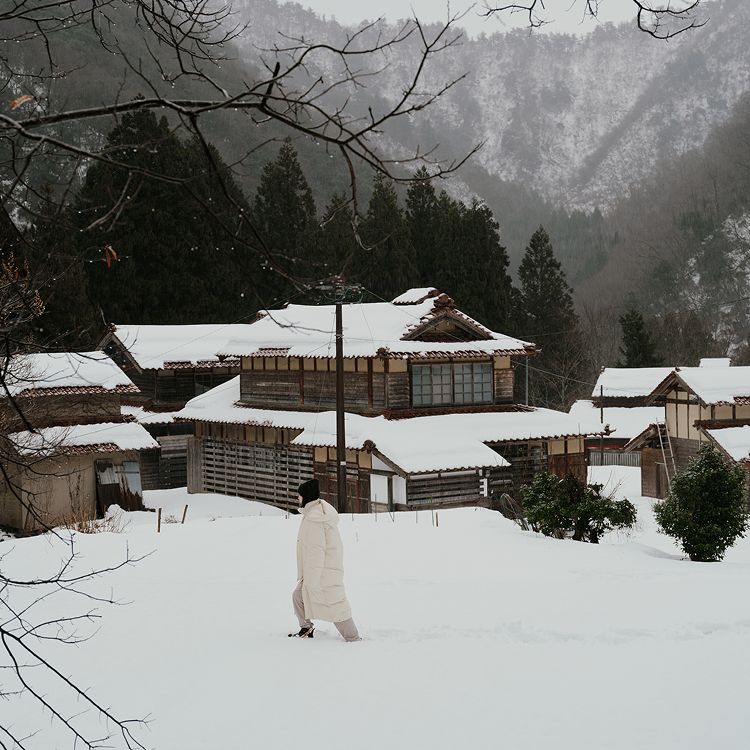
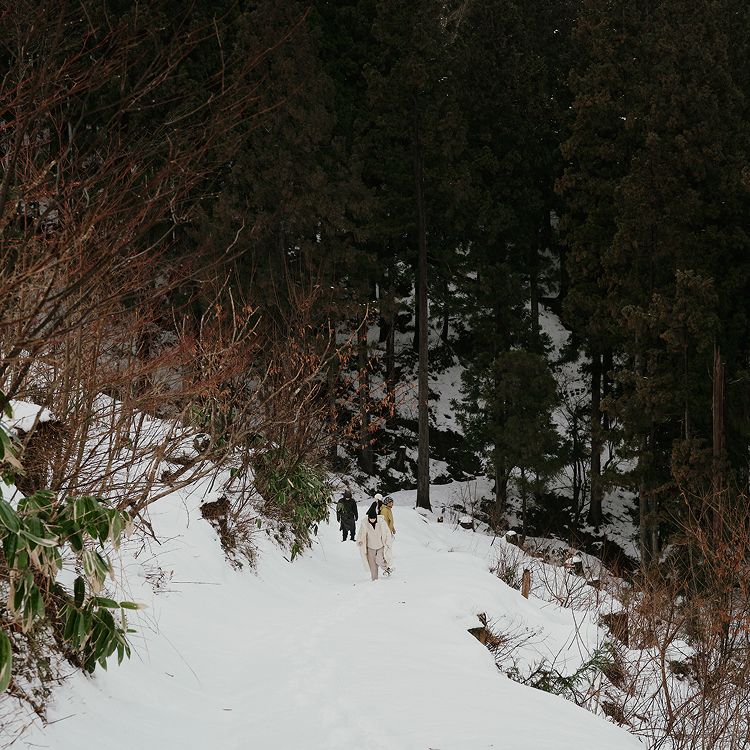
Ōzuchi Village, now home to just a single resident, is one such mountain settlement. Together with our guide, who has long cared for traditional Japanese ways of living, we will explore this snow-covered hamlet on kanjiki.
Snow as a blessing, lives and wisdom passed down through generations, the tranquil flow of time that permeates the valley this tour offers a gentle doorway into the lesser-known depths of Yamanaka Onsen’s winter.
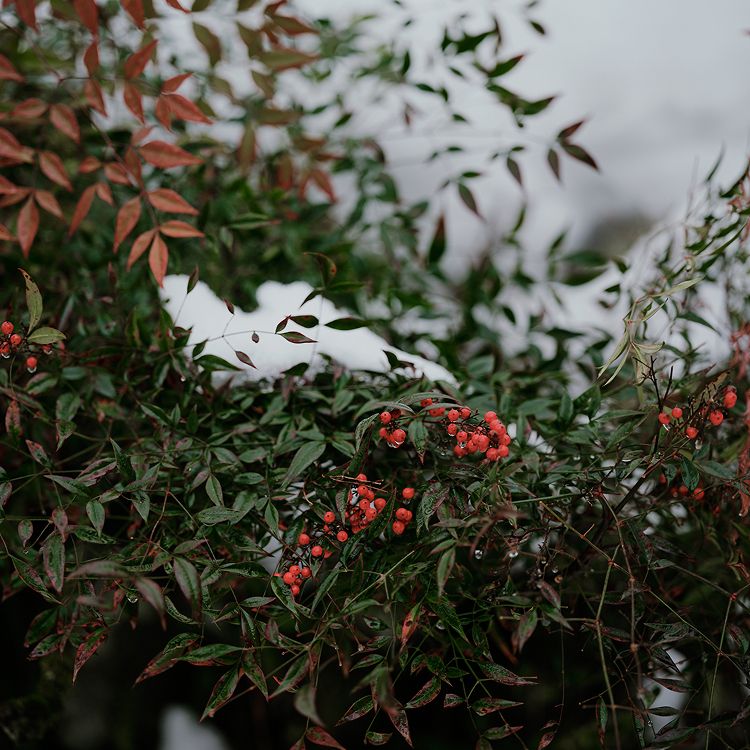
Ōzuchi Village
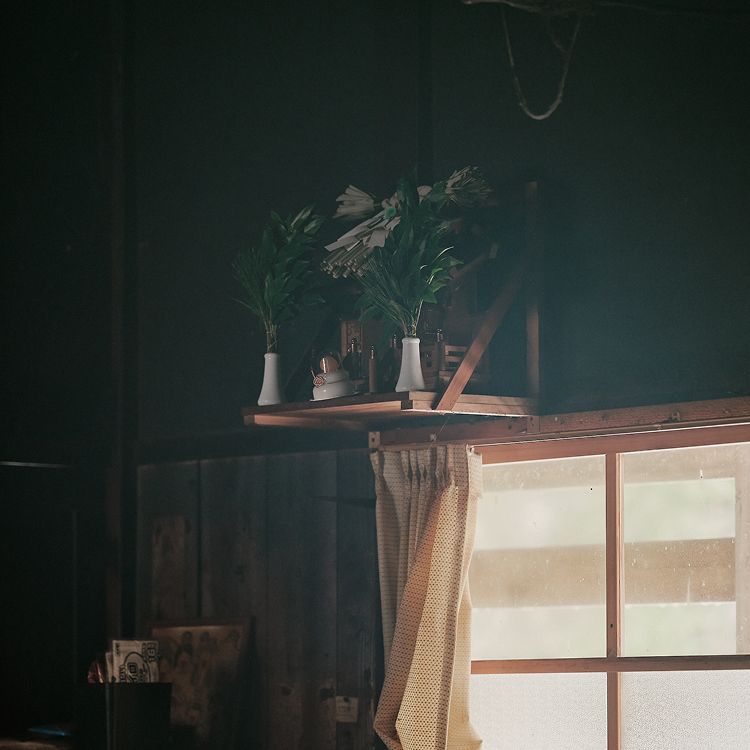
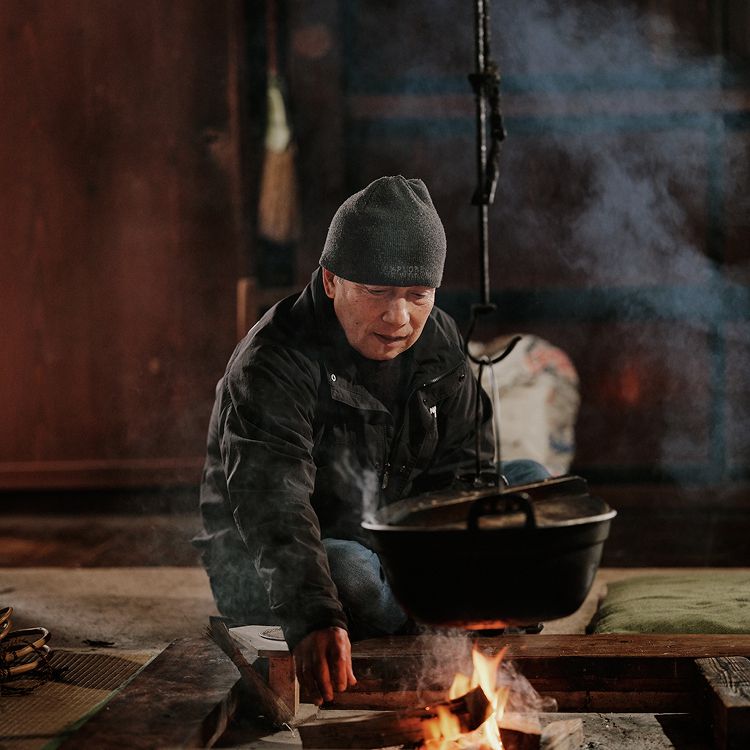
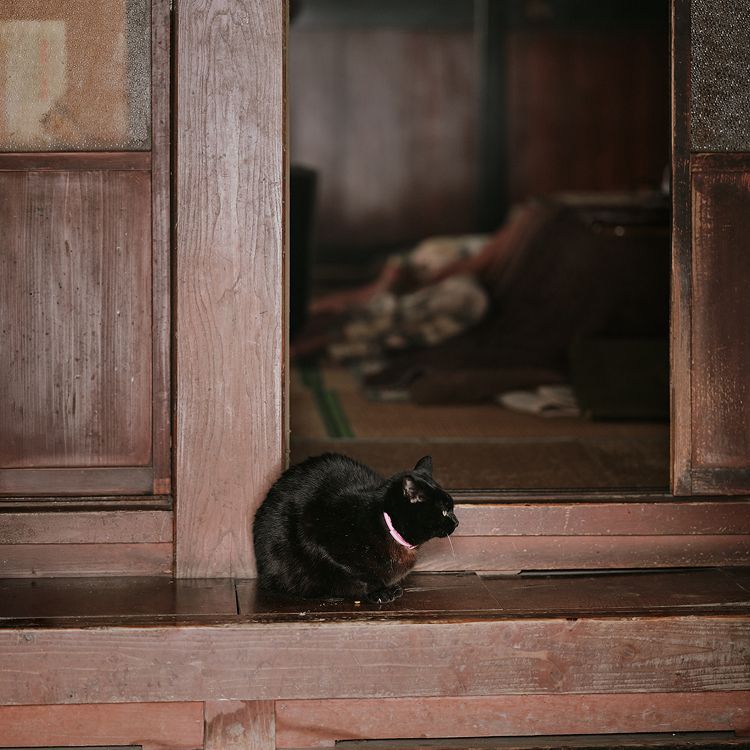
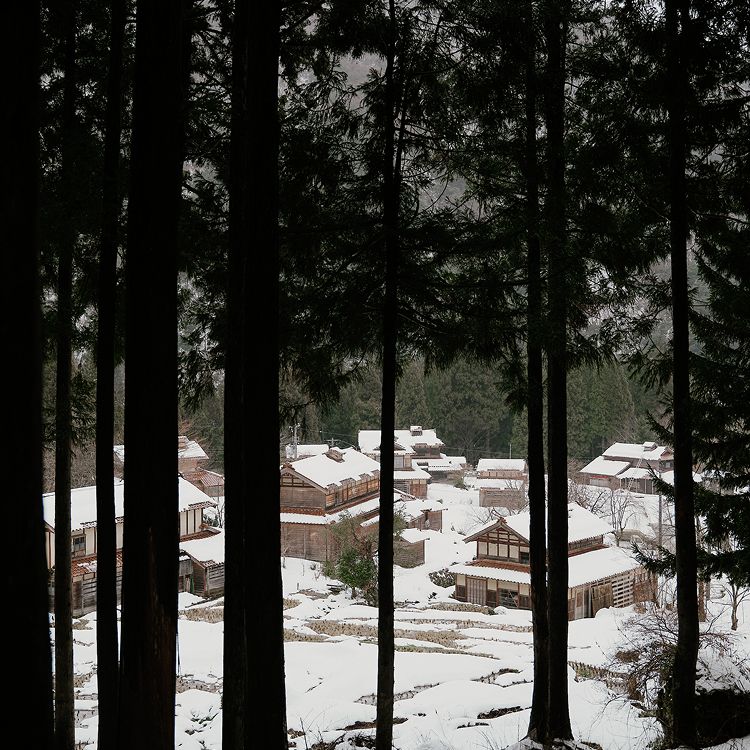
One Resident, One Cat.
A Mountain Hamlet They Quietly Keep Alive.
Ōzuchi Village was once a thriving mountain village of charcoal makers, complete with its own school and many families. Over time, as lifestyles changed, the population dwindled until only one resident remained, caring for the village together with a friendly cat.
Designated as an "Important Preservation District for Groups of Traditional Buildings", the settlement features red-tiled houses and old wooden dwellings with traditional sunken hearths, offering glimpses into everyday life in an earlier Japan.
Tucked deep into the mountains at the far end of Yamanaka Onsen, Ōzuchi is little known even among locals. In winter, heavy snow blankets the valley, creating a serene world where time seems to slow to a halt.
Kanjiki
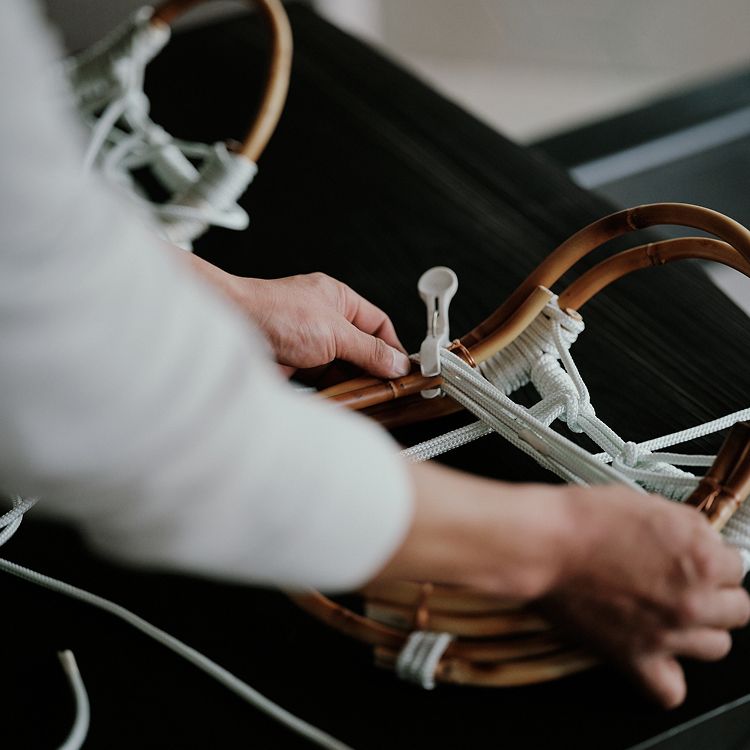
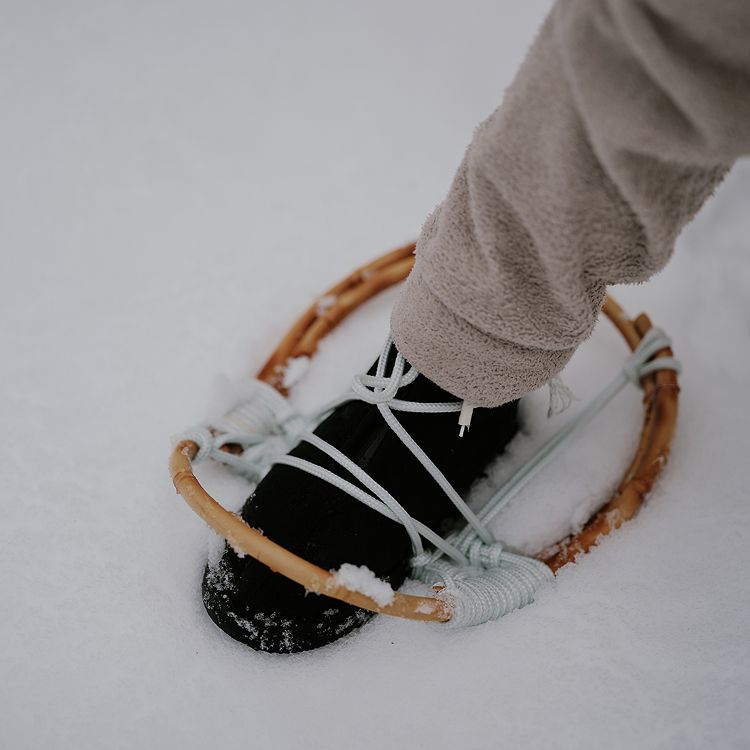
Crafting Japan’s Traditional Snowshoes
Kanjiki are traditional snowshoes long used in Japan’s snowbound mountain communities. Fastened beneath one’s footwear, they allow for slow, steady movement across deep, soft snow. Essential for winter living, whether for daily tasks, hunting, or transport, they have been handed down for generations.
In this programme, we will craft our own pair of kanjiki and walk the snowy paths of Ōzuchi Village, retracing the footsteps of those who once lived here. In the crisp, translucent winter air, we will engage with the wisdom embedded in the everyday life of the past, finding a moment of restoration for both body and mind.
Host
Noboru Nimaida
Guide
Masakazu Takamori
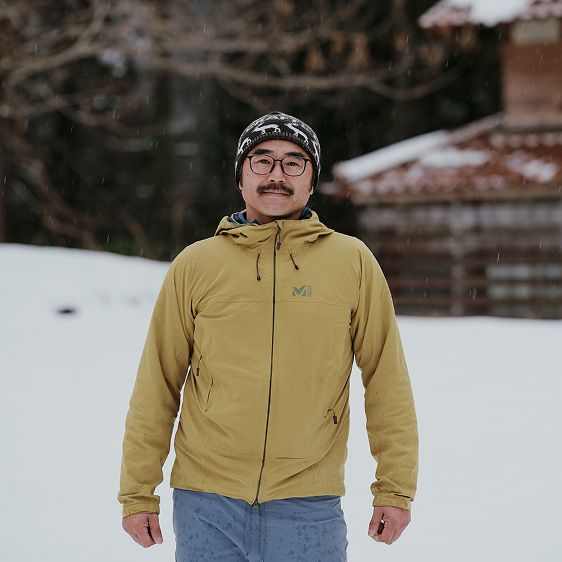
Shinichi Takamori is an outdoor guide from Kaga City in Ishikawa Prefecture, dedicated to sharing the importance of walking in nature under the belief that “to walk is to live.” A surfer as well, his life has always centred on the relationship between people and the natural world. In his twenties, he took part in environmental conservation efforts along coastlines throughout Japan.
After returning to Ishikawa, he began organising seaside trail runs and leading walking lessons for all ages, from children to the elderly, sharing both the restorative power of movement and the richness of the local landscape. His philosophy is simple: “The essence of living is found in the act of walking.” Through his work as a guide, he hopes to help foster a society in which people care for nature and nature, in return, welcomes people allowing this cycle to continue.
After returning to Ishikawa, he began organising seaside trail runs and leading walking lessons for all ages, from children to the elderly, sharing both the restorative power of movement and the richness of the local landscape. His philosophy is simple: “The essence of living is found in the act of walking.” Through his work as a guide, he hopes to help foster a society in which people care for nature and nature, in return, welcomes people allowing this cycle to continue.
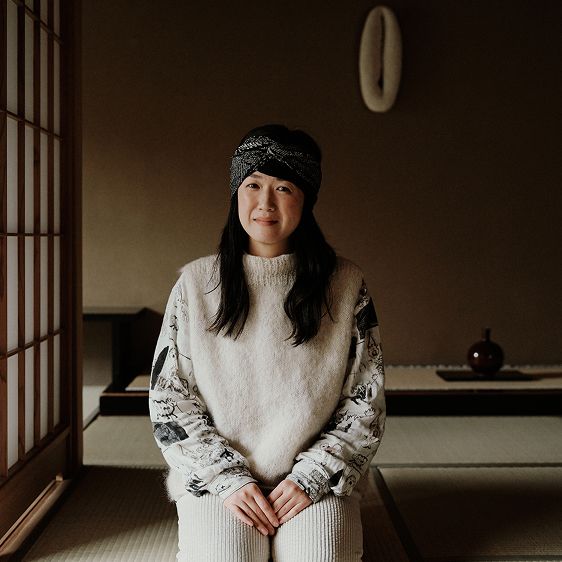
Guide
Ariya Omi
Born in Kyoto and raised in California, Yamanaka Onsen is where she now calls home.
She is the 24th-generation priestess of Hōrenji Temple, a Jōdo Shinshū (Pure Land Buddhism) temple. After studying Geography at the University of Chicago, she returned to Kyoto, where she worked at Hōrenji Temple to foster community through art and service. Drawn by a desire for nature and connection, she was eventually led to Yamanaka Onsen, where hot spring culture lies at the heart of local life.
Today, she is quietly forging a path in which past, present, and future can coexist. Together with her partner, Yoshitaka Omi, she co-founded KIOKU, creating new memories for travellers and creatives alike.
She is the 24th-generation priestess of Hōrenji Temple, a Jōdo Shinshū (Pure Land Buddhism) temple. After studying Geography at the University of Chicago, she returned to Kyoto, where she worked at Hōrenji Temple to foster community through art and service. Drawn by a desire for nature and connection, she was eventually led to Yamanaka Onsen, where hot spring culture lies at the heart of local life.
Today, she is quietly forging a path in which past, present, and future can coexist. Together with her partner, Yoshitaka Omi, she co-founded KIOKU, creating new memories for travellers and creatives alike.
*The exact schedule and activities may change due to weather, illness, or other elements beyond our control,
but we will make reasonable (and delightful) substitutions.